
Adventures with Theo Baker
Congratulations on the publication of "How to Rule the World"

In the fall of 2022, I got an email from a student journalist at the Stanford Daily named Theo Baker. Like all enterprising student newspapers, the Daily was scouring the internet and accepting tips about the president of the university, Marc Tessier-Lavigne. This is time-honored tradition among student journalists. Putting the president’s job status in question is a goal of campus newsrooms across the country. (Take note new presidents.)
Theo had found questions about some of Tessier-Lavigne’s papers on a website called PubPeer where potential problems with data, mostly images, are posted publicly. He connected with Elisabeth Bik who is one of the best known people who find these. Two of the papers had been in Science and were published before I became the editor.
The science world that follows this kind of thing was abuzz about this. Theo wanted a comment in seven hours before he posted his story, which I couldn’t do, but I congratulated him on finding something likely to be of wide interest and told him I would check into it.
As it turns out, we had discussed these papers with Tessier-Lavigne before, but for some reason we could not determine due to the passage of time, had not posted corrections that he had sent. I apologized for that and had to take some justified grilling from Pulitzer Prize winners about whether we had buried them on purpose, but eventually, they were satisfied. We’ll never know what happened, but wherever the error occurred, it was by someone who had no idea who Marc Tessier-Lavigne was.
During all of this, I talked to Theo on the record for an hour from the Acela phone booth, and I could tell he was a very special student journalist. After that, we started texting and talking about research integrity and lots of other stuff. I love student journalists and always have, and always want them to get scoops over the better resourced outlets that they are competing with.
“It didn’t seem friendly”
Tessier-Lavigne eventually ended up stepping down, and it was a major academic drama. Much has been written about all the details. Theo became the youngest winner of the George Polk Award for investigative journalism.
Now Theo has written a book about his year doing all of this called “How to Rule the World,” which is named after a secret class at Stanford where students actually learn how to rule the world. The book chronicles his work in journalism but also unearths the culture at Stanford that seems to prize cutting corners to achieve world domination, giving us sagas like Elizabeth Holmes and Sam Bankman-Fried. He and I have joked that even though it’s a bad look for Stanford, it will probably make more people apply, not less. The book launch is burning up the internet right now, and it’s a sure bestseller. Theo has sold the movie rights, and I’ve joked with him that I want Mark Hamill to play me in the movie. (Narrator: The Science editor will not be in the movie.)
When I first congratulated Theo in 2022 for finding something of interest, he took it as sarcasm. “It didn’t seem friendly,” he writes in his book. I don’t love reading that now, but it was a long way from six months ago when I was one of the first people to read his manuscript. This is a common saga for me and many others with a lot of autistic traits. People think we are disinterested in them at first, but then can form even stronger bonds later. I will talk a lot about this in my book, Leading with Autism, which will be out in 2027.
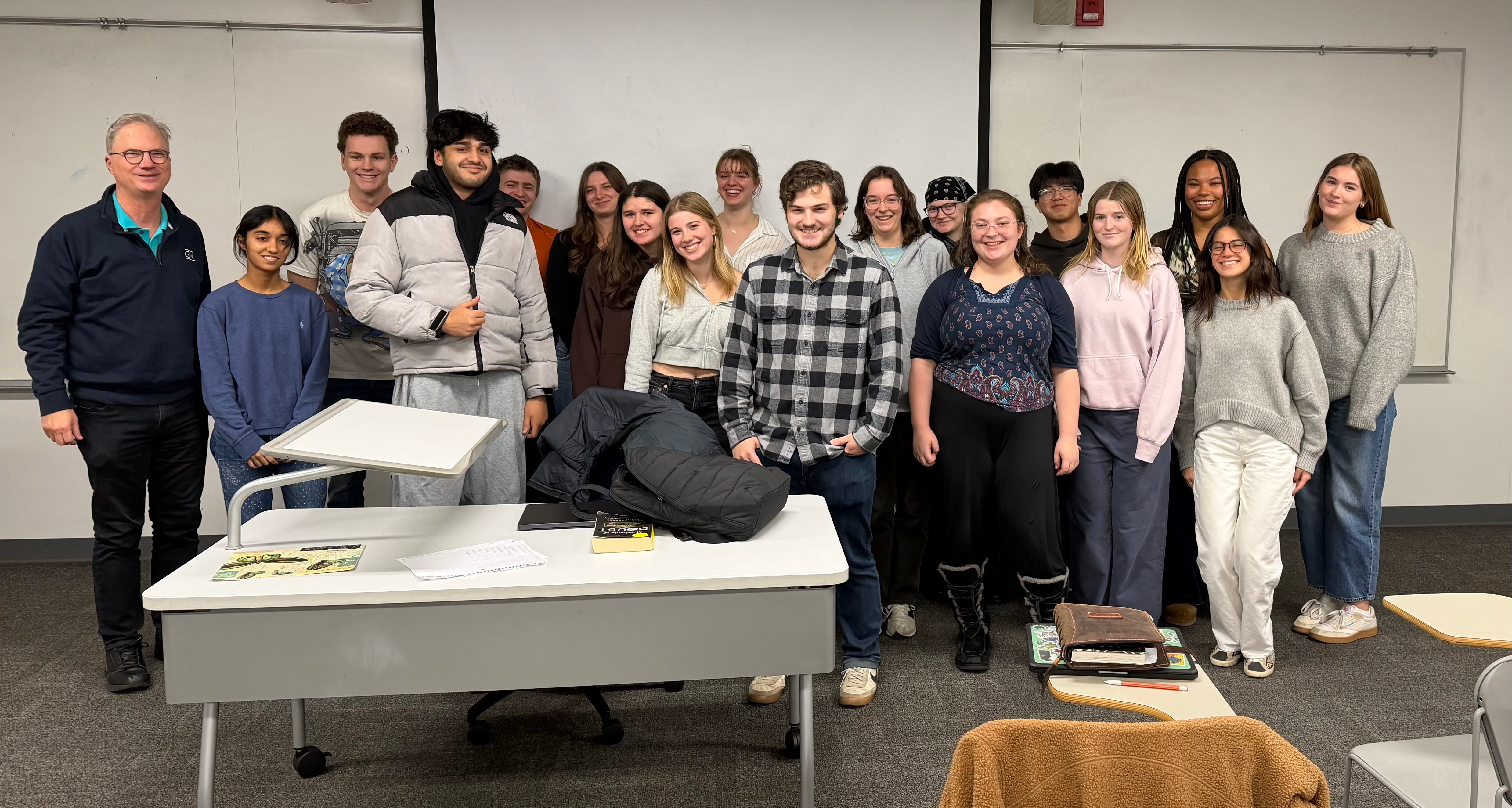
Theo has been coming to speak to my class on science and politics at GWU, and is always the top rated speaker:
Congratulations to Theo and thanks for letting me tag along on this crazy drama. In the meantime, if you care about how the culture of a university can shape the world, run and get Theo’s book.